
Verifiable impact
We publish the origin and application of funds on our accountability page. You can request a donation receipt and follow where your money went.
See accountabilityTransparency and impact
Every donation to P.A.S. becomes protection for sheltered children and food for families in São Roque, Brazil. This page explains the impact of your money, how much to give and — honestly — what Brazilian income-tax law really allows you to deduct.
Reason no. 1
We are run by volunteers: there is no payroll consuming your donation. Funds come in and become food, medicine, school supplies and upkeep of the Casa de Acolhida shelter.
R$ 30
milk, hygiene and baby items for a week
R$ 120
one complete food basket for a family
R$ 240
two food baskets + school supplies
~300
food baskets delivered every year
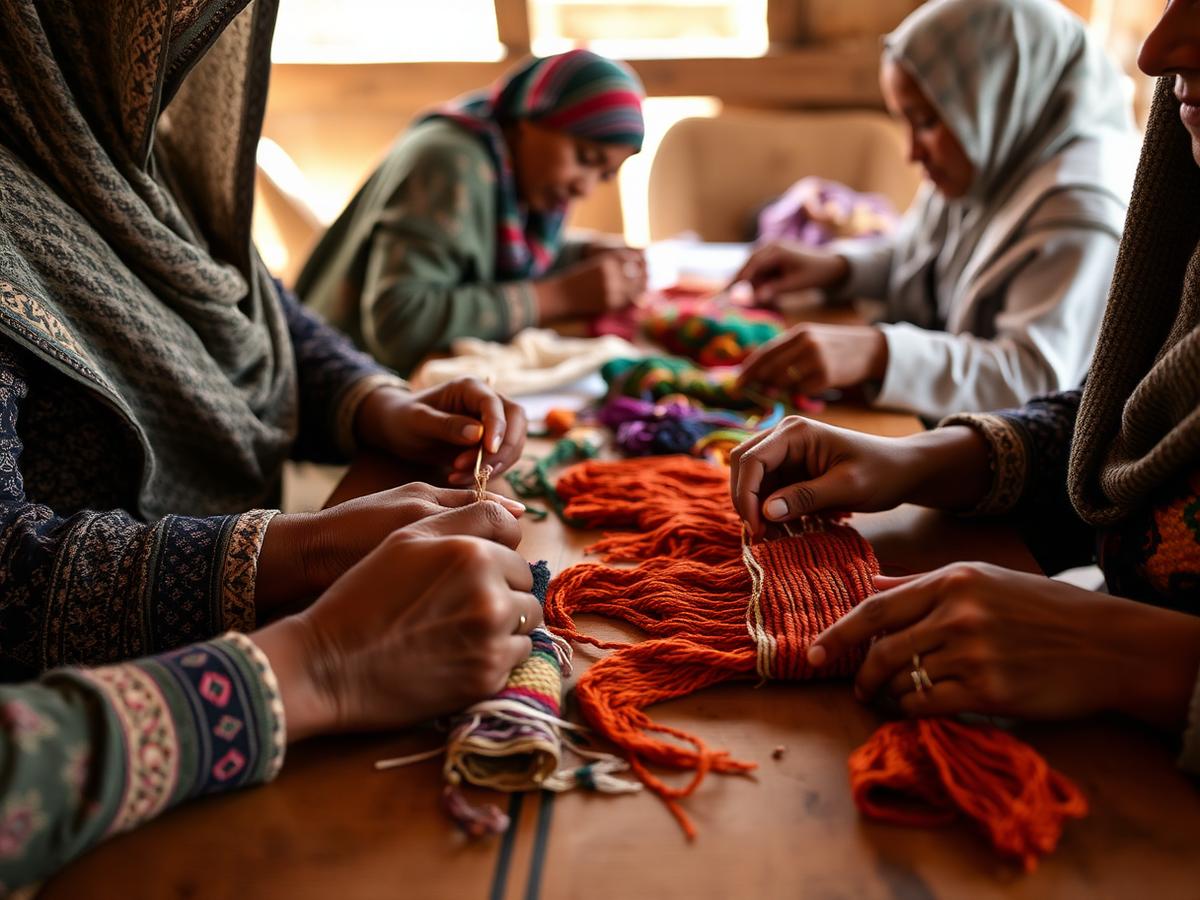
Since 2001 we have supported families in extreme vulnerability (PAE), generated income through handicrafts (PROMAS) and, since 2011, run the Casa de Acolhida shelter for children and adolescents under court protection measures, in partnership with the municipality of São Roque.
Reason no. 2
We publish the origin and application of funds on our accountability page. You can request a donation receipt and follow where your money went.
See accountabilityWe are a non-profit legal entity qualified as an OSCIP (Law 9,790/1999), tax ID (CNPJ) 04.409.537/0001-60. Cash donations always land in a bank account held by the organisation — never in an individual's account.
Brazilian companies taxed on actual profit (lucro real) may deduct donations to non-profit civil entities as an operating expense, up to 2% of operating profit (Law 9,249/1995, art. 13, § 2, III).
Recurring donors receive updates, may visit the activities, meet the volunteer team and suggest new fronts of support.
Reason no. 3 — full transparency
Many organisations promise a tax write-off without explaining the rules. Here is the accurate information, with the legal basis, so you can decide safely.
Deducting straight from the tax due is set out in art. 12 of Law 9,250/1995 and only applies to taxpayers filing the complete return (itemised legal deductions). Anyone choosing the simplified discount cannot use these incentives.
Overall cap: donations to Children/Elderly Funds, culture and audiovisual together cannot reduce the tax due by more than 6%. Sport (7%), PRONON (1%) and PRONAS/PCD (1%) have their own ceilings. Every percentage applies to the tax due, not to your income.
P.A.S. is a social-assistance OSCIP. Brazilian individual income-tax law grants no deduction for donations made directly to associations, foundations or OSCIPs — however well audited they are. We would rather say it plainly: donating through the PIX on this site is an act of conviction, not a tax break. If the deduction is essential to you, the lawful route is to donate to your city's Municipal Fund for the Rights of Children and Adolescents (FUMCAD/CMDCA) within the 3% limit and, if you wish, recommend shelter projects such as ours for the council's assessment.
Simulator
Income-tax incentives apply to the tax due on your return — never to your income. Enter a value and see the legal ceiling of each incentive.
Use the tax due, not your annual income. Incentives only work on the complete return. E.g. 5000 (tax due of R$ 5,000)
Art. 260, Lei 8.069/90 (ECA) and art. 12, I, Lei 9.250/95.
Maximum deductible amount
150 R$
That is 3% of the tax due you entered.
This incentive counts towards the 6% global cap: Child/Adolescent Funds, Elderly Funds, culture and audiovisual together cannot reduce the tax due by more than 6%.
Important: a direct PIX donation to P.A.S. is not deductible on an individual return. The legal route for individuals is donating to your city's Municipal Fund for the Rights of Children and Adolescents (FUMCAD/CMDCA), within the 3% limit.
Informational simulation based on current legislation. Always confirm with your accountant or with Receita Federal before filing.
Donate nowThis page is informational and cites the legislation in force at the time of publication. Percentages, deadlines and formal requirements may change; always confirm with your accountant or the Brazilian Federal Revenue Service (gov.br/receitafederal) before filing.
Common questions
Quick answers so you understand the result above before deciding to donate.
6 answers found
Step by step
How much to give
A monthly donation, however modest, is what lets us plan food purchases and keep the shelter running without shocks.
The PIX on this site accepts custom amounts up to R$ 50,000 per transaction. For recurring transfers, or donations of goods, food or services, write to us and we will arrange the simplest route for you.
Go to the donation pageChecklist
Work through it here on the page, or download the printable PDF to use with your accountant.
This checklist is informative and reflects the law in force on its publication date. Confirm percentages, codes and deadlines with your accountant or the Federal Revenue Service's official channels before filing.
Do not miss a step
Keep this summary next to your tax return. It brings together the essential deadlines and the documents you must have on hand.
By 31 December
Donate to the incentivised fund
Only donations made within the calendar year count in the following year's return. Exception: the Children's and Adolescents' Fund can be donated while filing the return, limited to 3% of the tax due.
March to May
File the itemised return
The official IRPF filing window is between March and May (it changes each year). Only the itemised, complete return uses the tax incentives; the simplified discount ignores them.
For 5 years
Keep all paperwork
The Federal Revenue Service may question the return during this period. Archive proof of payment, receipt and a copy of the return in an organised digital or physical folder.
This summary is a simplification for guidance. Exact IRPF filing deadlines and ancillary requirements can change each year. Always confirm with your accountant or the Federal Revenue Service's official website.
Frequently asked questions
The questions we hear most, answered from the law in force. Below each answer you will find the official statute or the Federal Revenue Service guidance.
8 answers found
Official sources
We do not ask you to take our word for it. Every point above comes from the statutes and official guidance below.
Legislation cited as in force on the publication date of this page. Percentages, filing codes and deadlines can change — confirm with your accountant or the Federal Revenue Service's official channels before filing.
Don via PIX
Choisissez le montant et sauvez une famille
Il manque 20 R$ pour compléter 1 panier de base.
Why your gift is essential
We hold an agreement with the São Roque City Hall, but those funds only cover salaries, payroll charges and rent. Water, electricity, phone, cleaning and hygiene supplies, clothing, furniture, appliances and building maintenance come exclusively from our own resources: donations and events.
jusqu'à 500 R$
Faire un donTax insight
A direct donation to P.A.S. is not deductible from Brazilian income tax — the Receita Federal states this explicitly. Companies taxed under Lucro Real may deduct donations to non-profit civil entities up to 2% of operating profit. See each rule with its official source.
Donations and income tax