Shelter, care, protect
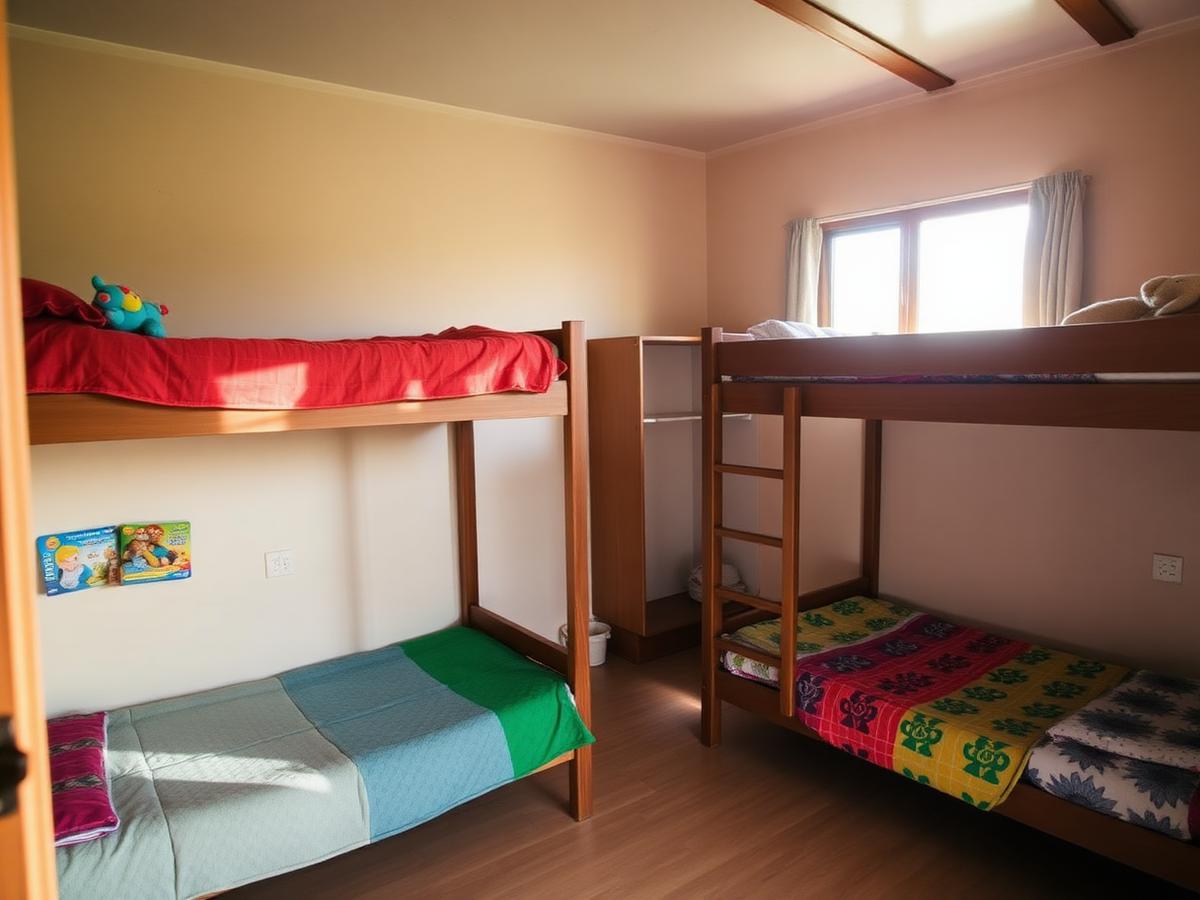
Sheltering: a home open 24 hours for children who cannot go home today.
When a court issues a protection order, a child often arrives with nothing but the clothes they are wearing. Casa de Acolhida welcomes, feeds, enrolls in school, provides healthcare and works to rebuild family bonds. Here are the real numbers — and what they cost.
Real numbers
Sheltering statistics
Every number below is a child or teenager who slept safely at Casa de Acolhida. Data from the PAS internal report, May 2011 to December 2025.
318
children and teenagers welcomed
15
years of continuous sheltering
2024 — 35 welcomed
busiest year
21
average admissions per year
Admissions per year
Boys and girls welcomed each year, from 2011 to 2025.
Admissions by age group (2011–2025)
Accumulated totals per age group and gender.
- 0 to 2 yearsBoys 42 · Girls 36 · 78
- 2 to 5 yearsBoys 25 · Girls 17 · 42
- 5 to 8 yearsBoys 31 · Girls 26 · 57
- 8 to 12 yearsBoys 31 · Girls 23 · 54
- TeenagersBoys 23 · Girls 64 · 87
Total: 318 · Boys 152 · Girls 166
In 2024 we also sheltered 3 mothers who survived domestic violence, together with their children.
Source: PAS internal sheltering statistics report — May/2011 to December/2025.
How it works
From the court referral to a safe return.
- Arrival: children are referred by a court order or child protection body, at any hour of the day or night.
- Immediate care: a bath, clean clothes, a meal, someone to listen and a safe bed the same night.
- Full care: healthcare, school, documents, psychosocial support and a family-like environment.
- Family work: an individual care plan and support to rebuild bonds whenever it is possible and safe.
- Leaving: return to the birth or extended family, or referral to adoption — always by court decision.
Out of respect for Brazil's Child and Adolescent Statute (Law 8.069/90), we never publish faces, names or details that could identify a sheltered child.
Honest reading
Public funding pays the team. Everything else depends on donors.
- The municipal agreement covers salaries, payroll taxes and rent — nothing else.
- Food, water, electricity, phone, cleaning and hygiene supplies, clothing, furniture, appliances and building maintenance come from donations.
- Every P.A.S. director is a volunteer and receives no pay.
Shelter, care, protect.
Every number on this page is a child who had a bed that night.
Your donation keeps food on the table, the lights on and clean clothes ready. Give via PIX in under a minute.